Chemical Peels Demystified How Acids Resurface Skin
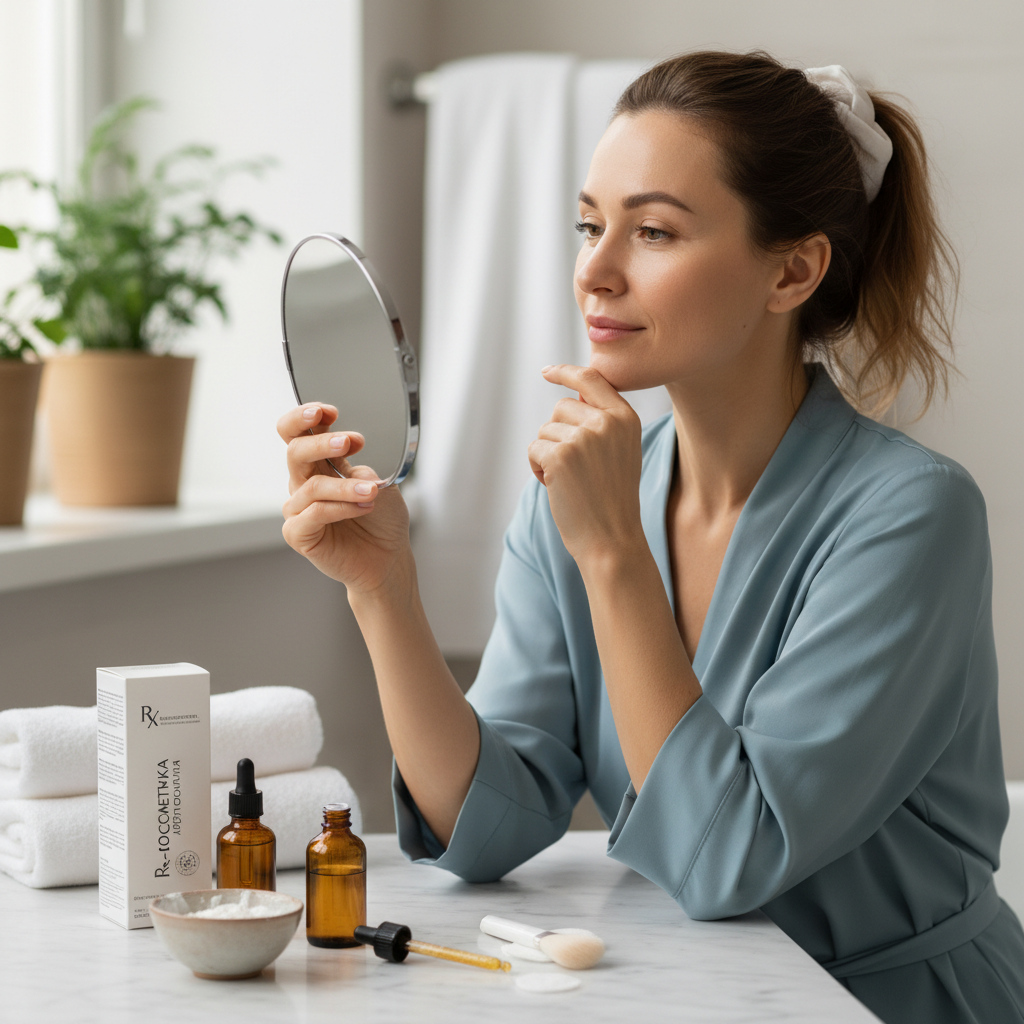
A chemical peel applies a controlled acid solution that dissolves the glue holding dull surface cells together, then signals the deeper skin to rebuild. As the old layer sheds, fresh skin emerges and fibroblasts ramp up collagen, leaving texture smoother, tone brighter and fine lines softer over the following weeks.
What a chemical peel does to your skin
A peel creates precise, controlled damage so your skin repairs itself stronger than before. The acid lowers the skin’s pH, breaks bonds between cells, and kick-starts the natural wound-healing cascade that rebuilds the surface.
Think of it as a reset button. Your body reads the controlled injury as a signal to regenerate. New keratinocytes rise, pigment clusters scatter, and the dermis lays down fresh collagen and elastin.
The depth of that reset depends entirely on the acid, its concentration, and how long it stays on. A light glycolic pass barely ruffles the surface. A phenol peel reaches deep into the dermis.
How acids loosen dead cells and spark renewal
Acids dissolve the desmosomes, the protein rivets that bind dead corneocytes to living skin. Once those bonds release, the spent top layer sloughs away and reveals the smoother cells underneath.
That shedding is only half the story. The same acidic insult triggers fibroblasts in the dermis to wake up and produce collagen, elastin and fresh matrix proteins. You get exfoliation now and remodeling later.
This is why results keep improving. The glow you notice on day five is surface renewal. The firmer feel weeks on is new collagen settling in.
AHAs work on the surface for instant glow
Alpha-hydroxy acids are water-soluble exfoliants that brighten and smooth the outermost layer. Glycolic acid, pulled from sugarcane, has the smallest molecule of the group, so it slips between cells and works fast even at gentle strengths.
Lactic, mandelic and citric acids round out the family. They suit dryness, dullness, uneven tone and the first hints of sun damage. Sensitive skin often tolerates mandelic best because its larger molecule penetrates slowly.
In our experience, AHAs are the friendliest entry point for peel newcomers. Low risk. Quick payoff. Easy to repeat.
BHAs dive deep into oily pores
Beta-hydroxy acid, namely salicylic acid, is oil-soluble, so it travels into the pore lining where AHAs cannot. That single trait makes it the go-to for acne, blackheads and congested, shine-prone skin.
Once inside the follicle, salicylic acid dissolves trapped sebum and calms the inflammation feeding breakouts. It also carries a mild anti-inflammatory effect, which helps redness settle.
Combination skin often does well with a blend. AHA for the dry cheeks, BHA for the oily T-zone. A skilled provider tailors the mix to your map.
TCA reaches the dermis for true remodeling
Trichloroacetic acid is a medium-depth peel that coagulates skin proteins rather than just dissolving cell bonds. That deeper action provokes a stronger healing response and serious collagen remodeling in the dermis.
TCA tackles what light peels cannot. Stubborn pigment, acne scars, deeper lines and weathered sun damage all respond. The trade-off is real downtime and strict aftercare, which is why these belong in trained hands.
Building a steady at-home routine of Rx skincare products before and after a TCA peel helps prime the barrier and protect your fresh results. Prepped skin peels more evenly and heals with fewer surprises.
Why peels keep boosting collagen for weeks
Collagen production peaks well after the visible peeling stops because remodeling is a slow biological process. The acid injures, the fibroblasts respond, and new collagen synthesis unfolds over several weeks to months.
This delayed payoff mirrors how active ingredients like peptides nudge the same repair machinery. If you want the cellular detail, our beginner’s guide to how peptides work walks through the collagen pathway step by step.
Pairing a peel with collagen-supporting actives can stretch the benefit. Many clients layer a serum such as Matrixyl-3000 into recovery once the skin has fully calmed. Patience beats aggression here.
Superficial, medium and deep peels compared
The three peel depths differ in acid strength, the problems they fix, and how long you recover. Choosing the right tier matters more than choosing the trendiest acid.
Here is a quick comparison of the standard categories before you book a consultation:
| Depth | Typical acids | Best for | Recovery |
|---|---|---|---|
| Superficial | Glycolic, salicylic, lactic | Dullness, texture, mild tone | 1 to 7 days |
| Medium | TCA | Lines, age spots, scars | 7 to 14 days |
| Deep | Phenol | Deep wrinkles, heavy sun damage | 14 to 21 days |
A classic mistake we see is patients chasing a deep peel for a problem a light series would solve. Start conservative. You can always go deeper, but you cannot un-peel.
What to expect during peel recovery
Most peeling begins two to three days after treatment and peaks around day four or five. Superficial peels flake lightly and clear within a week, while medium and deep peels bring redness, tightness and visible shedding.
Here is a typical picture. A client books a light glycolic peel before a weekend event, expecting instant radiance, then panics when flaking starts on day three. That shedding is the peel working, not failing, and it settles right on schedule.
Resist the urge to pick. Let the skin release on its own. Pulling at partially attached flakes invites scarring and patchy pigment.
How to care for skin after a peel
Gentle, consistent aftercare protects your new skin and locks in the result. The fresh layer is fragile, so every step should soothe rather than challenge it.
Follow these essentials through the healing window:
- Cleanse with cool water and a mild, fingertip-only wash, no scrubs or cloths
- Moisturize often to ease tightness and curb dryness
- Apply broad-spectrum SPF 30 or higher every single morning, without exception
- Skip retinoids, acids and exfoliants until your provider clears you
- Stay out of direct midday sun and reach for a hat outdoors
Sunscreen is the rule people break most. Fresh skin burns and discolors fast. Protect it, or you undo the work.
Who should think twice before peeling
Peels are not right for everyone, and deeper formulas carry real contraindications. Active infections, recent isotretinoin use, pregnancy and a history of keloid scarring all call for caution or a hard stop.
Darker skin tones need extra care with medium and deep peels because of the risk of post-inflammatory pigment shifts. A test patch and an experienced hand matter enormously. When in doubt, book a consultation rather than a kit. You can read more on the underlying chemistry of these acid treatments if you want the technical background.
FAQ
Do chemical peels hurt
Most superficial peels cause only a brief stinging or warmth that fades in minutes. Medium and deep peels feel more intense, which is why providers use cooling, fans and sometimes mild sedation. Discomfort scales with depth, so a light glycolic peel is far gentler than a TCA session.
How often can I get a peel
Light peels can be repeated every two to four weeks in a series, while medium peels need months between sessions. Deep peels are usually a once-in-a-lifetime treatment. Your skin needs full recovery before the next round, so follow your provider’s spacing rather than rushing results.
Will a peel help acne scars
Medium-depth TCA peels can soften shallow acne scars by remodeling collagen in the dermis. Deeper or boxcar scars often need combination treatments like microneedling or laser. A peel improves tone and texture, but realistic expectations matter, so discuss your specific scarring with a professional first.
Can I do a chemical peel at home
Gentle at-home AHA and BHA products are fine for maintenance and mild exfoliation. Stronger medium and deep peels should never be self-applied because the burn risk and pigment complications are real. Most often we see home-peel trouble from leaving acids on too long or stacking too many actives.
When will I see results
Brightness and smoother texture appear within a week as the surface renews. The firming, collagen-driven benefits build gradually over four to twelve weeks. A single peel helps, but a planned series delivers the most noticeable and lasting improvement in tone and resilience.
Sources I drew on for the facts above:
– [Chemical Peels for Skin Resurfacing — StatPearls (NCBI)](https://www.ncbi.nlm.nih.gov/books/NBK547752/)
– [Chemical Peels — Cleveland Clinic](https://my.clevelandclinic.org/health/treatments/11010-chemical-peels)
– [A Guide to Chemical Peels: AHA, BHA, and Beyond](https://aakaarmedical.in/a-guide-to-chemical-peels-aha-bha-and-beyond/)
– [Chemical Peel Recovery Timeline — Perfect Image](https://perfectimage.com/blogs/skincare/how-long-do-you-peel-after-a-chemical-peel)
– [Peel Levels Explained — Chicago Male Salon](https://www.chicagomalesalon.com/blogs/peel-levels-explained-superficial-medium-and-deep-chemical-peels)