Fade Dark Spots the Smart Way With Brightening Actives
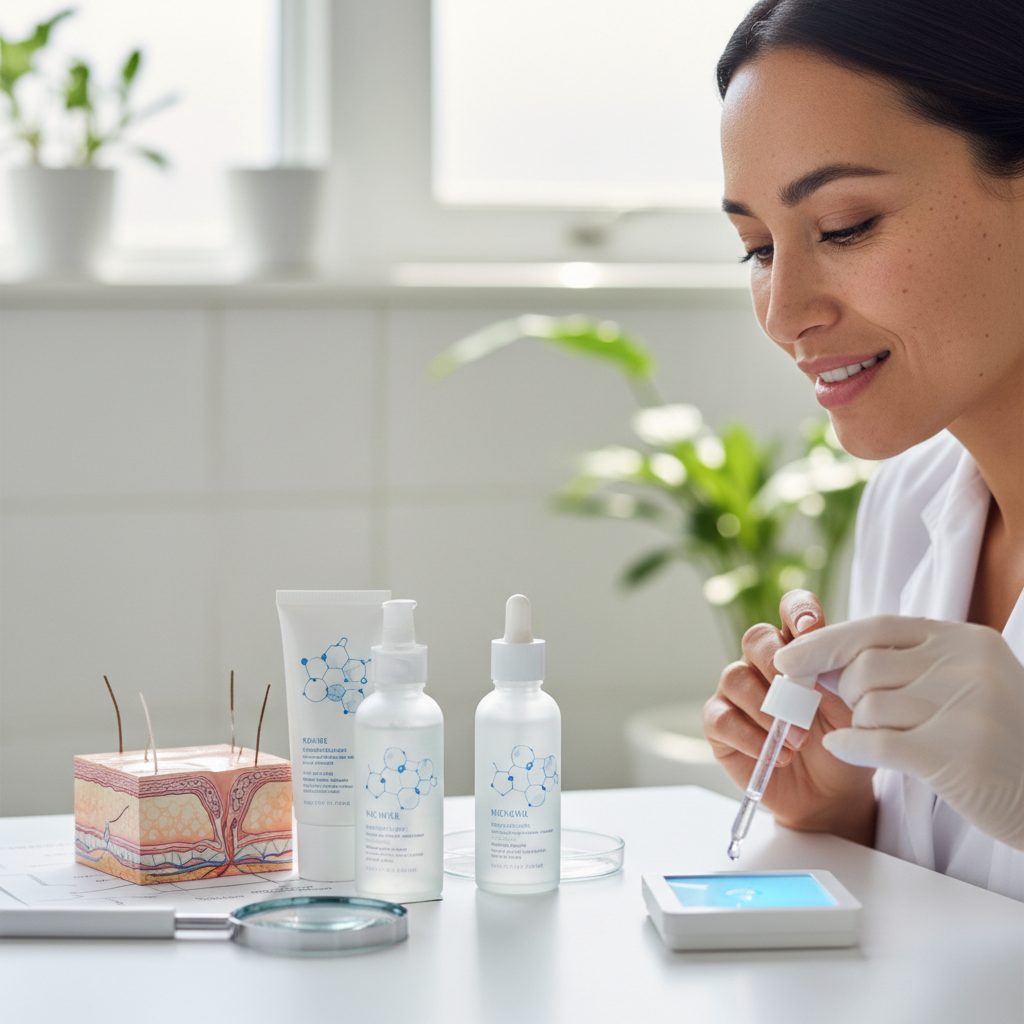
Dark spots form when melanocytes overproduce melanin and deposit it unevenly in the skin. To fade them, you target three points at once: slow pigment production with actives like vitamin C and niacinamide, speed cell turnover to lift old pigment, and shield skin daily with broad-spectrum SPF.
What Causes Those Stubborn Dark Spots
Hyperpigmentation starts with melanin, the pigment your melanocytes make to protect skin from damage. When those cells get triggered, they pump out extra melanin and hand it to nearby keratinocytes, which carry it upward as skin renews. The pigment lands unevenly. You see a spot.
UV light is the loudest trigger. Hormones, heat, and inflammation join in too. By the time a brown mark appears on the surface, the process has been running quietly for weeks underneath.
That delay matters. It explains why fading takes patience, not a weekend.
Melasma, Sun Spots, and PIH Are Not the Same
The three most common forms of hyperpigmentation behave very differently, and naming yours changes your whole approach. Treat them all the same and you waste months. We see this confusion constantly.
Sun spots are flat brown marks from cumulative UV exposure, usually on hands, shoulders, and the face. Post-inflammatory hyperpigmentation, or PIH, is the mark left behind after acne, eczema, or a scratch heals. Melasma is the trickiest: hormone-driven gray-brown patches that flare with sun and heat.
Why does the label matter so much? Because each type fades on its own clock and answers to different actives, which is the next thing to understand.
Why Tyrosinase Is the Enzyme to Target
Most brightening actives work by slowing one enzyme: tyrosinase, the switch that kicks off melanin production. Block it, and your skin simply makes less pigment going forward. This is the mechanism behind nearly every serious dark-spot ingredient.
Think of tyrosinase as the foreman on a pigment assembly line. Quiet the foreman, and the line slows down. You can read more about how tyrosinase drives this process.
Some actives go further. They disrupt how melanin transfers to skin cells, or they lift pigment that is already there. The smartest routines hit more than one of these steps.
Vitamin C Brightens and Defends at Once
Vitamin C does double duty: it inhibits tyrosinase while neutralizing the free radicals that spark melanin in the first place. That combination makes it a morning staple for almost any spot-fading routine.
A 2017 review in the Journal of Clinical and Aesthetic Dermatology found that topical vitamin C noticeably reduced dark spots and lifted overall brightness. You will see it paired with licorice root extract often, since the two amplify each other.
One practical note. Vitamin C oxidizes fast in light and air. Store it dark, and pair it with sunscreen for the antioxidant boost.
Niacinamide Stops Pigment Before It Surfaces
Niacinamide fades spots by blocking the handoff of melanin from melanocytes to your surface cells. Less transfer means less visible pigment, with almost none of the irritation harsher actives bring.
Research has shown 5% niacinamide performing on par with 4% hydroquinone for melasma, but far gentler on the barrier. That tolerability is the whole point. It plays well with nearly everything else on your shelf.
In our experience, niacinamide is the easiest first step for beginners nervous about reactions.
Tranexamic Acid Calms Overactive Melanocytes
Tranexamic acid quiets the activation of melanocytes themselves, which is why dermatologists reach for it with stubborn melasma and PIH. It also carries anti-inflammatory action, calming the redness that feeds new pigment.
You will find it both in topical serums and, under medical guidance, in oral form for severe cases. The topical version layers easily into a morning or evening routine.
A classic mistake we see is people expecting it to act like an overnight bleach. It works steadily, over weeks, by lowering the signal that tells skin to darken.
Azelaic and Kojic Acid for Stubborn Patches
Azelaic acid attacks pigment from several angles at once: it inhibits tyrosinase, gently exfoliates, calms inflammation, and even fights acne bacteria. That versatility makes it a favorite for PIH left behind by breakouts.
Lower concentrations sit on drugstore shelves, while 15% and 20% formulas need a prescription. Kojic acid, a fermentation byproduct, is another tyrosinase blocker that earns its place in a brightening cocktail.
Few single ingredients fix hyperpigmentation alone. Most often we see real progress when several actives work together, which is why combination routines win.
Alpha Arbutin Offers Gentle Fading
Alpha arbutin releases its melanin-blocking action slowly, which makes it one of the gentlest brighteners available. Sensitive and reactive skin types tolerate it well, even alongside stronger actives.
It is structurally related to hydroquinone but far milder, giving you steady fading without the harshness. Pair it with vitamin C in the morning, and the two reinforce each other nicely.
How Cell Turnover Finishes the Job
Blocking new pigment only solves half the problem; you still need to clear the melanin already sitting in your skin. That is where cell turnover comes in. Faster renewal carries pigmented cells to the surface and sloughs them away.
Retinoids drive this turnover, and bakuchiol offers a plant-based, lower-irritation alternative. Peptides and growth factors support the renewal process too, by signaling skin to repair and regenerate. If you are new to this category, our beginner’s guide to peptides walks through the basics, and an EGF serum can reinforce that turnover engine.
Pigment reduction depends on this renewal cycle. Cycles take weeks. That is biology, not a marketing excuse.
Daily SPF Is the Step You Cannot Skip
Sunscreen is non-negotiable, because every brightening active you apply is undone the moment UV and visible light re-trigger melanin. Skip SPF and you are bailing water out of a leaking boat.
Reach for broad-spectrum SPF 30 to 50, applied every morning, indoors and out. Visible light from screens and windows can aggravate melasma, so mineral filters with iron oxides add useful protection. The American Academy of Dermatology lays out the daily-use case clearly.
Picture a typical case. Someone uses a great vitamin C serum for three months, sees little change, and skips sunscreen daily. Add the SPF, and within weeks the spots finally start to lift. The active was never the problem.
How to Layer Brighteners Without Irritation
The reliable structure splits actives across morning and night so you maximize results without overwhelming your barrier. Antioxidants protect by day; renewal actives work by night.
Here is a starting framework many find easy to follow:
- Morning: vitamin C, then niacinamide, sealed with broad-spectrum SPF.
- Evening: a retinoid or azelaic acid to drive turnover and fade stubborn marks.
- Throughout: introduce one new active at a time, never two at once.
Go slow. Patch test. Your barrier will thank you, and consistency beats intensity every time.
How Long Until You See Real Change
Expect weeks to months, not days, because genuine fading depends on cellular turnover that simply cannot be rushed. The timeline shifts with the type of spot you are treating.
These rough ranges help set honest expectations:
- Sun spots often improve meaningfully within 6 to 12 months.
- PIH typically fades over 3 to 12 months with consistent care.
- Melasma is the marathon, usually 12 months or more, and it tends to return without ongoing maintenance.
Check your progress with photos, not the mirror. Daily glances hide slow change. Side-by-side shots a month apart reveal it.
FAQ
Can dark spots be removed permanently?
Most dark spots can be faded substantially, but few are truly permanent removals without ongoing care. Sun spots and PIH often clear and stay clear with diligent SPF. Melasma is different. It tends to return when treatment stops, so maintenance and daily sun protection keep results in place long term.
Is vitamin C or niacinamide better for hyperpigmentation?
Neither is strictly better; they target different steps and work best together. Vitamin C inhibits the pigment-making enzyme and fights free radicals, while niacinamide blocks pigment transfer to surface cells. Used side by side in the morning, they reinforce each other and suit most skin types without much irritation risk.
Why are my dark spots getting darker?
Worsening spots almost always point to ongoing sun or light exposure outpacing your treatment. UV, heat, and even visible light from screens re-trigger melanin production. Inconsistent sunscreen is the usual culprit. Apply broad-spectrum SPF every morning and reapply through the day, and the darkening usually slows, then reverses.
How long before brightening serums show results?
Most people notice early change around 8 to 12 weeks of consistent use. Pigment lives below the surface, so fading waits on skin renewal cycles that take weeks. Stay patient and keep applying daily. Track progress with monthly photos rather than the mirror, since gradual improvement is hard to spot day to day.
Do I really need sunscreen indoors?
Yes, if you are serious about fading spots, because UVA penetrates windows and visible light from devices can aggravate pigment. Even short daily exposure adds up and can undo months of active treatment. A morning application of broad-spectrum SPF covers most indoor days, with reapplication near bright windows.